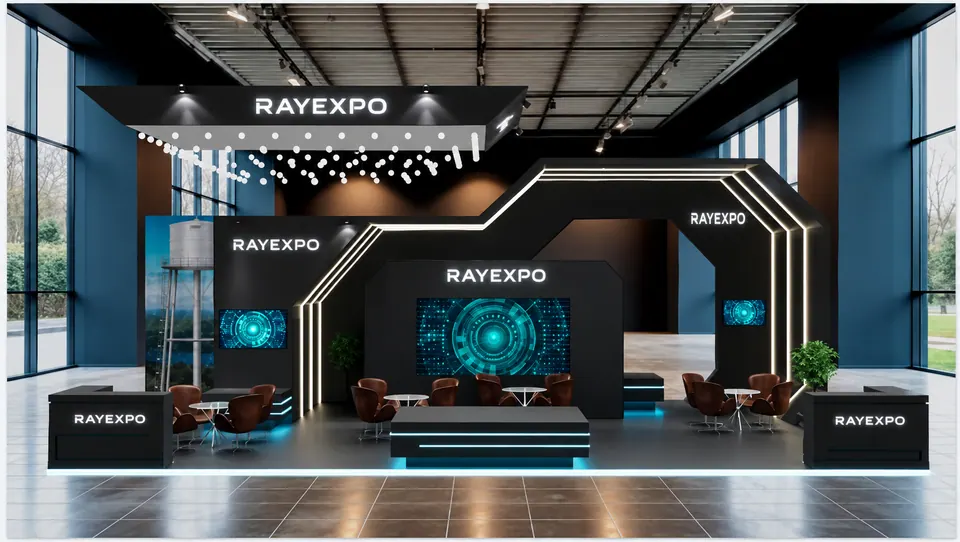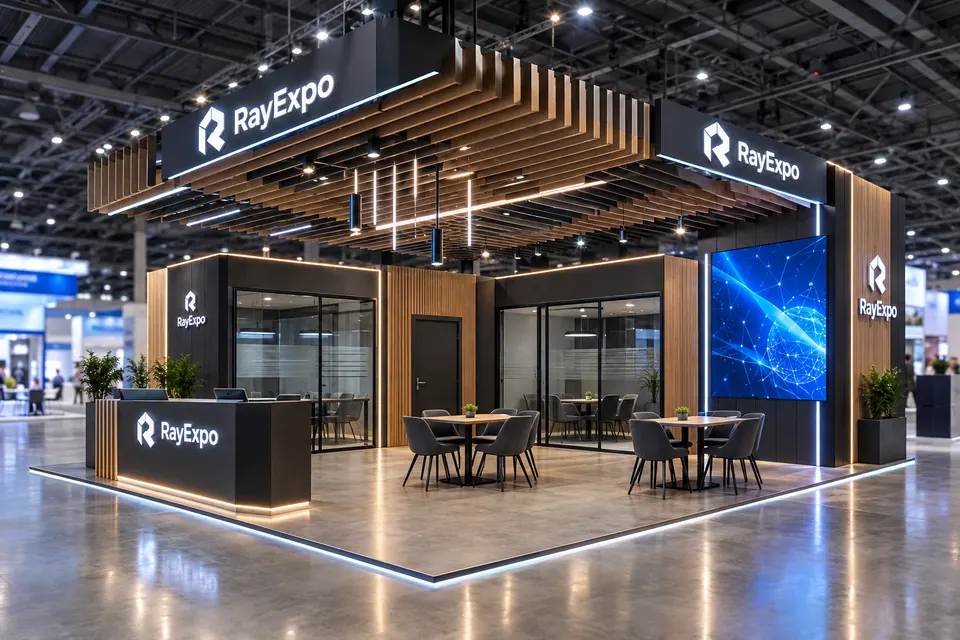
An exhibition lasts only a few days, yet a company invests significant money in it: participation fees, the stand, travel and materials. To make the investment pay off, start preparing early and follow a plan. Here is a convenient checklist.
1. Define your goal
Everything else depends on the goal: stand format, team and materials. Typical goals are finding new clients and dealers, launching a product, strengthening relationships with partners and supporting the brand image. Put the goal in numbers — for example, how many leads you want to collect.
2. Calculate the budget
The budget includes the registration fee and space rental, stand construction, logistics, staff travel, printed materials and giveaways, and advertising before and during the show. Keep a reserve for unexpected costs.
3. Choose the location and stand format
The earlier you book, the wider the choice. A spot near the entrance, at an aisle intersection or next to major exhibitors gets more traffic. The format — inline, corner, peninsula or island — depends on the location and budget. We cover formats in a separate article.
4. Order design and construction
Send the stand builder a brief: exhibition name, dates, stand number and area, the organiser’s technical requirements, goals and budget. A good contractor will show a visualisation and an estimate before the contract and prepare the stand in 1–2 weeks.
- Request the technical requirements from the organiser.
- Agree installation and dismantling times with the builder.
- Plan the zones: display, meetings, storage.
5. Prepare the team and materials
The stand needs people who know the product and can start a conversation. Plan shifts, prepare a short pitch and a lead form. Order catalogues, business cards and giveaways early — printers have deadlines too.
6. Invite guests
Tell clients and partners where to find you: email, social media, calls to key accounts. Schedule meetings at the stand in advance so the show works from day one.
7. Follow up after the show
The biggest mistake is putting leads off “for later”. In the first week after the show, send emails, arrange meetings and add contacts to your CRM. Measure the result against your goal — it will help plan the next exhibition.